Rising Beef Prices Are Squeezing Restaurant Margins. Here’s How Operators Can Respond.
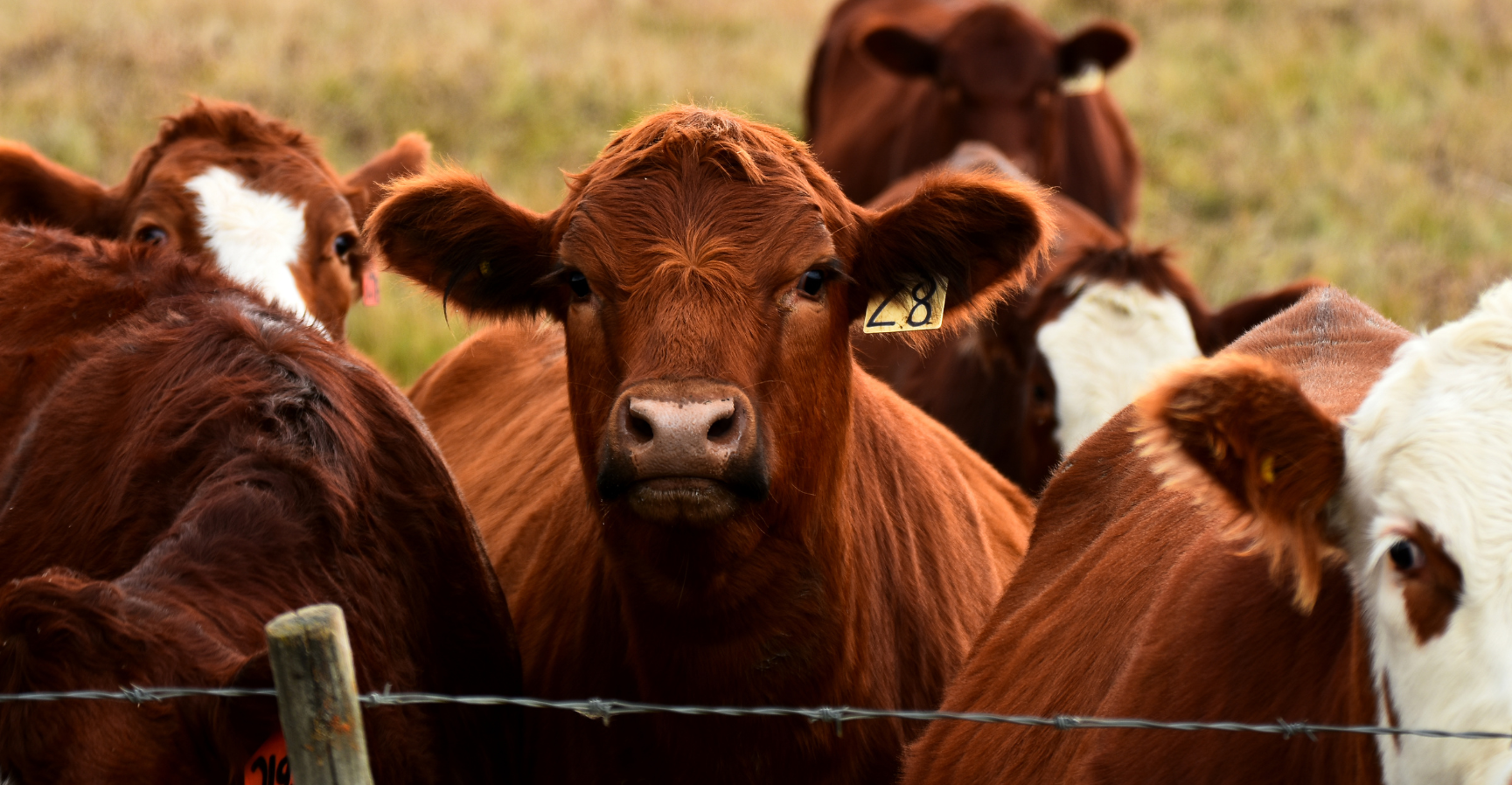
For many restaurant operators, beef has long been one of the most important, and most expensive, items on the menu. Whether it’s burgers, steaks, brisket, tacos, or barbecue, beef remains a customer favorite. Unfortunately, it has also become one of the industry’s fastest-rising costs. Across the United States, beef prices have climbed to record highs as cattle inventories have fallen to their lowest levels in more than 75 years. The U.S. cattle herd continues to shrink due to years of drought, rising feed costs, labor shortages, and other economic pressures facing ranchers. As a result, restaurants are paying significantly more for many of their core ingredients.
For restaurant owners in Texas, another concern has emerged: the reappearance of the New World screwworm. This flesh-eating parasite, once eradicated in the United States, has recently been detected in Texas livestock. While only a limited number of screwworm cases have been confirmed so far, industry experts caution that the outbreak could delay efforts to rebuild cattle inventories, keeping beef prices elevated for a longer period and adding further cost pressure for restaurants that rely heavily on beef products.
While beef is grabbing headlines, it highlights a broader challenge facing the restaurant industry: food costs remain volatile, and operators must manage margins more strategically than ever.
Why Beef Prices Are Rising
Several factors are driving today’s elevated beef prices:
Shrinking Cattle Herds
According to the United States Department of Agriculture, the U.S. cattle inventory stood at approximately 86.2 million head as of January 2026, with beef cow numbers continuing to decline. Rebuilding herds is a slow process that can take several years, meaning supply constraints are unlikely to disappear overnight.
Higher Production Costs
NPR reports that ranchers continue to face elevated costs for feed, land, transportation, and labor. In many cases, producers have chosen to reduce herd sizes rather than absorb rising expenses.
Screwworm Concerns
The New World screwworm has become a growing concern along the Texas-Mexico border. The parasite poses a serious threat to livestock and could further strain an already tight cattle market if outbreaks spread. Industry leaders warn that quarantines, movement restrictions, and tighter border controls may disrupt the flow of cattle, while ranchers face higher costs for prevention, monitoring, and treatment. Together, these factors could reduce available supply, drive beef prices higher, and create additional challenges for restaurants and consumers alike.
Persistent Consumer Demand
Despite higher prices, consumer demand for beef remains relatively strong. When demand stays high while supply remains limited, prices continue to rise.
Beef Is Only Part of the Food Cost Challenge
Although beef has seen some of the most dramatic increases, restaurant operators know that nearly every category has experienced pricing pressure in recent years.
Food costs have become increasingly unpredictable due to:
· Supply chain disruptions
· Labor shortages
· Transportation expenses
· Weather-related agricultural impacts
· Commodity price volatility
· Global trade and import restrictions
Many restaurants are finding that traditional annual menu reviews are no longer enough. Instead, successful operators are monitoring food costs monthly, or even weekly, to protect profitability.
What Restaurants Can Do From a Financial Perspective
Raising menu prices is often the first response to higher food costs, but it shouldn’t be the only strategy. The most successful restaurants are using financial data to make informed decisions before margins erode.
1. Know Your Plate Costs
Many operators know their overall food cost percentage but cannot identify the profitability of individual menu items.
Conducting regular recipe costing analyses can help answer questions such as:
· Which menu items generate the highest profit?
· Which items are most exposed to price fluctuations?
· Are there lower-cost alternatives that customers would embrace?
Menu engineering often reveals opportunities to improve margins without significantly changing guest experience.
2. Monitor Prime Costs Closely
Prime cost, the combination of food, beverage, and labor expenses, typically represents the largest expense category for restaurants.
Tracking prime cost weekly can help operators identify margin pressure early and make adjustments before profitability suffers.
3. Review Vendor Purchasing Trends
Many restaurants are surprised by how much purchasing habits drift over time.
Regular reviews of vendor spending can uncover:
· Pricing inconsistencies
· Product substitutions
· Opportunities for volume discounts
· Alternative suppliers for high-cost ingredients
Even small savings across frequently purchased items can create meaningful annual improvements.
4. Improve Inventory Controls
Inventory shrinkage, spoilage, and over-ordering often become more expensive when food costs rise.
Strong inventory procedures can help restaurants:
· Reduce waste
· Improve ordering accuracy
· Lower carrying costs
· Identify theft or loss more quickly
The higher the cost of ingredients, the more important inventory management becomes.
5. Use Forecasting Instead of Reacting
Many restaurants manage food cost challenges after they appear on financial statements.
A better approach is proactive forecasting.
Cash flow forecasts, budget-to-actual reviews, and scenario planning can help operators understand how commodity price increases may affect profitability over the next several months, not just the last several weeks.
6. Evaluate Menu Pricing Strategically
Menu price increases should be based on data, not guesswork.
Rather than applying a flat percentage increase across the entire menu, restaurants should evaluate:
· Contribution margins
· Customer demand
· Competitive pricing
· Product mix performance
Strategic pricing adjustments often produce better results than across-the-board increases.
Turning Financial Data Into Better Decisions
The current beef market serves as a reminder that food costs can change quickly, and sometimes for reasons outside a restaurant’s control.
While operators cannot influence cattle inventories, drought conditions, or livestock diseases, they can strengthen their financial visibility and decision-making processes.
Restaurants that consistently monitor food costs, analyze menu profitability, forecast cash flow, and maintain strong inventory controls are often better positioned to protect margins during periods of economic uncertainty. Our Accounting Services team helps businesses with KPI tracking, cash flow management, and financial reporting. Additionally, our Tax Preparation and Planning team assists restaurants owners and operators in strategies to reduce tax liabilities and improve long-term financial performance.
As beef prices continue to rise and supply concerns, including the emerging screwworm threat in Texas, remain in focus, financial discipline may become just as important as culinary execution.
The restaurants that thrive won’t necessarily be the ones paying the lowest prices for ingredients. They’ll be the ones that understand their numbers well enough to adapt when market conditions change. ADKF is ready to help. Explore our Accounting Services, Business Consulting, and Tax Planning, or reach out directly to start the conversation.
Frequently Asked Questions
1. Why are beef prices rising for restaurants?
Beef prices have reached record highs due to a combination of shrinking cattle inventories, higher feed and labor costs, persistent consumer demand, and ongoing supply chain challenges. In Texas, concerns surrounding the reappearance of the New World screwworm may further delay efforts to rebuild cattle herds, keeping beef supplies tight and prices elevated.
2. How can restaurants reduce the impact of rising food costs?
Restaurants can protect profitability by regularly monitoring food costs, analyzing menu item profitability, reviewing vendor pricing, improving inventory controls, tracking prime costs, and using cash flow forecasting to anticipate future cost increases. These financial strategies help operators make informed decisions before margins begin to decline.
3. What is prime cost, and why is it important?
Prime cost is the combined total of a restaurant’s food, beverage, and labor expenses. Because these costs typically represent the largest portion of operating expenses, tracking prime cost on a weekly basis can help restaurant owners identify margin pressure early and make adjustments before profitability is affected.
4. Should restaurants raise menu prices when food costs increase?
Menu price increases may be necessary, but they should be based on financial data rather than applied uniformly across the menu. Evaluating contribution margins, customer demand, competitive pricing, and menu performance allows restaurants to make strategic pricing decisions that help protect profitability while maintaining guest satisfaction.
5. How can restaurant accounting services help manage rising food costs?
Restaurant accounting professionals can provide financial reporting, KPI tracking, cash flow forecasting, budgeting, and menu profitability analysis to help operators make data-driven decisions. They can also assist with tax planning strategies that support long-term financial performance, allowing restaurant owners to focus on running their business while navigating changing market conditions.